

Saving money can feel impossible when your paycheck disappears before the month ends. You may know you should save, but rising bills, unexpected expenses, subscriptions, eating out, and impulse purchases can make it difficult to know where to begin.
The good news is that you don’t need a large income or complicated investment strategy to get started. Learning how to save money for beginners is mainly about building a few simple habits and making your money work more intentionally.
In this guide, you’ll learn how to start saving money, create a beginner-friendly budget, reduce unnecessary spending, build an emergency fund, and automate your savings. Whether you’re saving your first $100 or working toward financial freedom, these practical steps can help you make steady progress.
Why Saving Money Matters for Beginners
Saving gives you something valuable: financial breathing room.
An emergency bill, medical expense, car repair, job change, or other unexpected cost can quickly become stressful when you have no cash available. The Federal Reserve’s 2024 household survey found that 63% of U.S. adults said they could cover a hypothetical $400 emergency expense using cash or its equivalent. (Federal Reserve)
That means a significant number of people may need to borrow, use credit, sell something, or find another solution when a relatively small emergency happens.
Saving also gives you more choices. An emergency fund can reduce your dependence on credit cards, while longer-term savings can help you pay for education, a home, travel, retirement, or other goals.
The key lesson for beginners is simple: you don’t have to save a huge amount immediately. Consistency matters more than perfection.
Set Clear Financial Goals
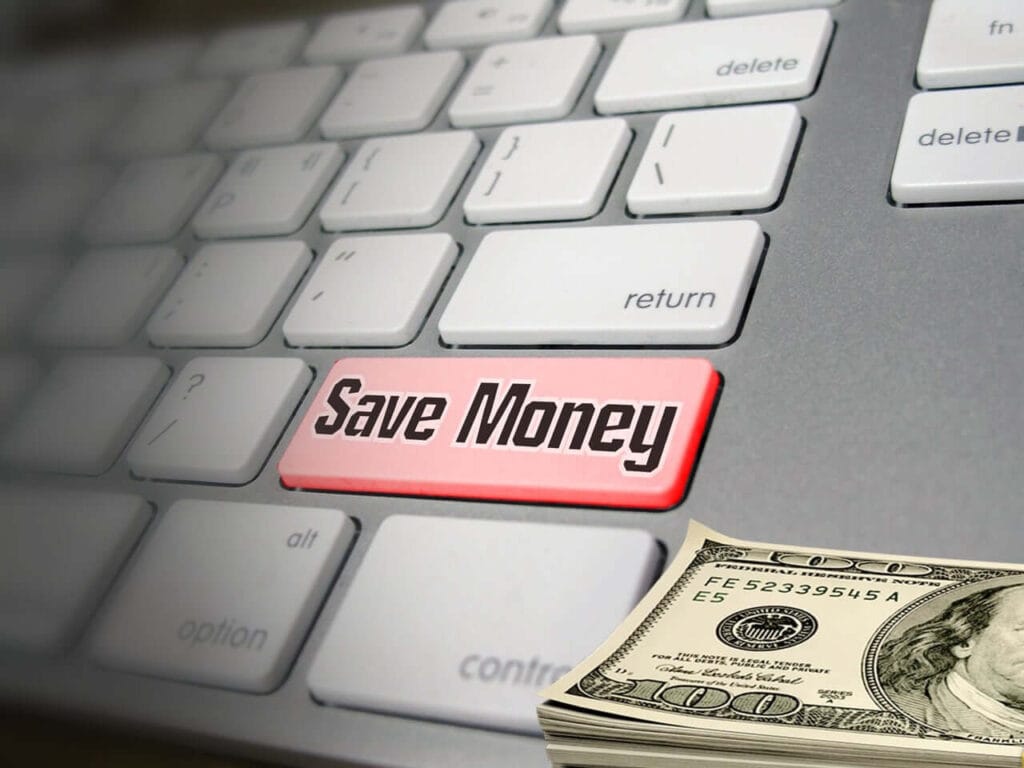
One of the best saving habits is to give every dollar you save a purpose.
Instead of saying, “I need to save more,” choose a specific target. A clear goal gives you something measurable to work toward and makes it easier to stay motivated.
Short-Term vs. Long-Term Goals
Short-term goals usually take a few weeks to a couple of years. Examples include:
- Saving $500 for emergencies
- Paying for an upcoming vacation
- Replacing a broken phone or appliance
- Saving for an annual insurance payment
- Building a small cash cushion
Long-term goals may take several years or more:
- Buying a home
- Starting a business
- Paying for education
- Reaching debt-free living
- Building retirement savings
If you’re new to personal finance, start with one short-term goal before trying to tackle everything at once.
Use the SMART Goal Framework
A useful way to create financial goals for beginners is the SMART framework:
- Specific: “I will save $1,000 for emergencies.”
- Measurable: Track your balance every month.
- Achievable: Choose an amount that fits your income.
- Relevant: Connect the goal to something important to you.
- Time-bound: Set a deadline.
For example, saving $1,200 in 12 months means putting away an average of $100 per month.
You don’t need to hit the exact amount every month. The purpose is to turn a vague intention into a practical plan.
Create a Realistic Budget
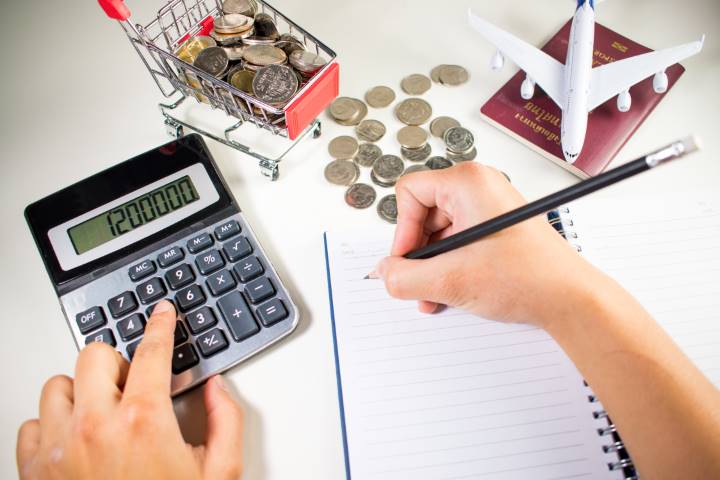
Budgeting for beginners doesn’t mean restricting every purchase or never having fun. A good budget simply tells your money where to go before you spend it.
Start by listing:
- Your monthly take-home income
- Fixed expenses such as rent, loan payments, and insurance
- Variable expenses such as groceries, transportation, and entertainment
- Existing debt payments
- Your planned monthly savings
If you haven’t already, track monthly expenses for at least 30 days. You may discover that small purchases are costing more than expected.
The 50/30/20 Budget Rule Explained
The 50/30/20 budget rule is a popular starting point for beginners:
- 50% for needs: Housing, utilities, groceries, transportation, insurance, and essential bills
- 30% for wants: Entertainment, restaurants, hobbies, shopping, and other nonessential spending
- 20% for savings and debt repayment: Emergency savings, retirement contributions, and extra debt payments
It’s important to treat this as a guideline rather than a strict rule.
If housing costs consume more than 50% of your income, for example, forcing yourself to follow the formula exactly may be unrealistic. Adjust the percentages to fit your circumstances.
The goal is to create a budget you can actually maintain.
Budgeting Apps and Tools to Try
You can budget with a spreadsheet, notebook, banking app, or money management app.
Look for tools that let you:
- Categorize expenses
- Set spending limits
- Track progress toward goals
- Review monthly spending
- Monitor recurring payments
The best budgeting tool is the one you’ll actually use consistently.
Practical Money-Saving Tips for Beginners
Once you have a basic budget, look for simple ways to create more room for savings.
Track Your Expenses
One of the easiest money saving tips for beginners is also one of the most overlooked: know where your money is going.
For one month, record every purchase—even small ones.
At the end of the month, divide your spending into categories such as:
- Housing
- Food
- Transportation
- Shopping
- Entertainment
- Subscriptions
- Debt
- Savings
Then look for patterns.
If you spend $8 on coffee several times a week, for example, you don’t necessarily need to stop buying coffee forever. You might simply reduce the frequency and redirect the difference toward your savings goal.
Cut Unnecessary Subscriptions
Subscriptions can quietly become one of the easiest ways to save money each month.
Review your bank and credit card statements for recurring charges. Ask yourself:
- Do I use this service regularly?
- Could I share a legitimate family plan?
- Is there a cheaper alternative?
- Did I forget I was even paying for this?
Canceling two or three services can create recurring savings without requiring much effort.
Just remember to check cancellation terms before ending a subscription.
Automate Your Savings
An automatic savings plan removes one of the biggest obstacles to saving: having to remember to do it.
Set up an automatic transfer from your checking account to your savings account shortly after payday.
For example, if you get paid twice a month, you might automatically transfer $50 from each paycheck. That’s $100 per month—or $1,200 over a year.
The Consumer Financial Protection Bureau specifically recommends automatic deposits as one practical way to make saving easier and more consistent. (Consumer Financial Protection Bureau)
Start with an amount that feels manageable. You can increase it later.
Cook at Home vs. Eating Out
Food is another category where small changes can create meaningful savings.
You don’t need to stop eating at restaurants completely. Instead:
- Plan a few meals before grocery shopping
- Cook larger portions and save leftovers
- Make coffee at home more often
- Compare grocery prices
- Use ingredients you already have
- Set a weekly restaurant budget
If you’re trying to save money fast, temporarily reducing expensive convenience purchases can produce noticeable results.
The important thing is to avoid making your plan so restrictive that you abandon it after two weeks.
Use Cashback and Rewards Apps
Cashback programs can reduce the cost of purchases you’re already planning to make.
Use them strategically rather than as a reason to spend more.
Before buying something, compare prices and ask whether you actually need it. A 5% reward isn’t a saving if you spend $100 on something you didn’t need.
Build an Emergency Fund
An emergency fund is money set aside for unexpected expenses such as repairs, medical bills, or a temporary loss of income. The CFPB describes it as a cash reserve specifically designed for unplanned expenses and financial emergencies. (Consumer Financial Protection Bureau)
For beginners, don’t worry about immediately saving three to six months of expenses.
Start with a smaller milestone:
- Save your first $100.
- Build it to $500.
- Work toward $1,000 or another amount appropriate for your circumstances.
- Gradually build toward several months of essential expenses.
The right amount depends on your income, job stability, family situation, expenses, insurance coverage, and access to other resources. Even a small emergency cushion can be useful.
Where Should You Keep an Emergency Fund?
An emergency fund should generally be safe, accessible, and separate from everyday spending money.
A savings account can be appropriate because you can access the money when necessary without exposing it to the same market fluctuations associated with investments.
A high-yield savings account may offer a higher interest rate than a traditional savings account, although rates and account terms change over time. Compare fees, withdrawal rules, minimum balances, and the institution’s deposit insurance before opening an account.
For authoritative emergency fund guidance, consider linking to the Consumer Financial Protection Bureau’s emergency savings resources. CFPB: An Essential Guide to Building an Emergency Fund
Avoid Common Saving Mistakes Beginners Make
Saving becomes easier when you know what to avoid.
Trying to Save Too Much Too Quickly
Setting an aggressive target can be motivating, but an unrealistic budget can backfire.
If you can’t comfortably save $500 a month, don’t build your plan around $500. Start with $25, $50, or whatever is realistic.
Waiting Until the End of the Month
Many people spend first and plan to save whatever remains.
Unfortunately, there may be nothing left.
Instead, pay yourself first by moving your planned savings shortly after receiving your income.
Ignoring High-Interest Debt
Saving is important, but high-interest debt can work against your progress.
A reasonable strategy may be to maintain a small emergency cushion while prioritizing expensive debt. Once that debt is under control, you can increase other savings goals.
Using Savings for Non-Emergencies
Your emergency fund isn’t a shopping account.
Create separate savings categories for planned expenses such as holidays, gifts, car maintenance, or annual bills. This helps prevent you from repeatedly draining your emergency savings.
Comparing Your Progress With Other People
Personal finance isn’t a competition.
Someone else’s savings balance may reflect a different income, age, family situation, housing cost, or financial history. Focus on improving your own numbers.
Best Tools & Apps to Save Money Automatically
Technology can make money management easier, but you don’t need dozens of apps.
Useful options include:
- Banking apps: Set automatic transfers and monitor balances.
- Budgeting apps: Categorize spending and establish limits.
- Spreadsheet templates: Create a customized monthly budget.
- Savings account tools: Set separate goals for emergencies, travel, or major purchases.
- Calendar reminders: Schedule a monthly money review.
- Cashback tools: Earn rewards on eligible purchases you already planned to make.
When choosing a money management app, check its security practices, fees, privacy policy, and account-access requirements.
Also consider whether the app genuinely makes budgeting easier. A simple spreadsheet is better than an expensive tool you never open.
How to Save Money Faster Without Making Yourself Miserable
If your goal is to save money fast, focus on the biggest opportunities first.
Cutting a $10 expense can help, but reducing a $200 recurring bill can have a much larger impact.
Review these categories:
- Housing
- Transportation
- Insurance
- Debt interest
- Food
- Subscriptions
- Shopping
- Entertainment
You can also look for ways to increase income. Selling unused items, freelancing, tutoring, taking occasional extra shifts, or exploring legitimate passive income ideas may help—but don’t pursue an income opportunity that requires large upfront payments or promises guaranteed returns.
The most effective financial freedom tips usually combine spending control with income growth.
Conclusion: Start With One Small Step
Learning how to save money for beginners doesn’t require a perfect budget, a high salary, or expert financial knowledge.
Start by choosing one financial goal. Track your spending, create a realistic budget, automate a small savings transfer, and build your emergency fund gradually. As your income or confidence grows, increase your savings rate.
Remember that financial literacy basics are built through practice. Every month you successfully save—even a small amount—is evidence that you’re developing better money habits.
You don’t need to transform your finances overnight. Start today with one small step.
Download your free budgeting template, subscribe to our newsletter for practical personal finance tips, and make your first automatic savings transfer today. Your future self will thank you.
FAQs
How much should a beginner save each month?
A beginner should save an amount that is realistic and sustainable. Even $25 or $50 per month is a worthwhile starting point. As your budget improves, gradually increase your savings rate. The 50/30/20 budget rule suggests directing 20% toward savings and debt repayment, but your personal target should reflect your actual income and expenses.
What is the easiest way to save money?
The easiest way is to automate your savings. Schedule a recurring transfer from your checking account to your savings account shortly after payday. This makes saving a routine rather than a decision you have to make every month.
How can I save money if I have a low income?
Start small and focus on controllable expenses. Track your spending, reduce unnecessary subscriptions, compare recurring bills, cook at home more often, and automate even a small savings amount. If possible, look for ways to increase income alongside reducing expenses.
How much should I have in an emergency fund?
There is no universal number. Start with a small amount you can access quickly, then gradually work toward several months of essential expenses. Your ideal emergency fund depends on your income stability, essential costs, household responsibilities, and other financial resources.
Is the 50/30/20 budget rule good for beginners?
Yes. The 50/30/20 budget rule is a useful starting framework because it separates needs, wants, and savings. However, it’s a guideline—not a requirement. Adjust the percentages to fit your actual circumstances and financial goals.