
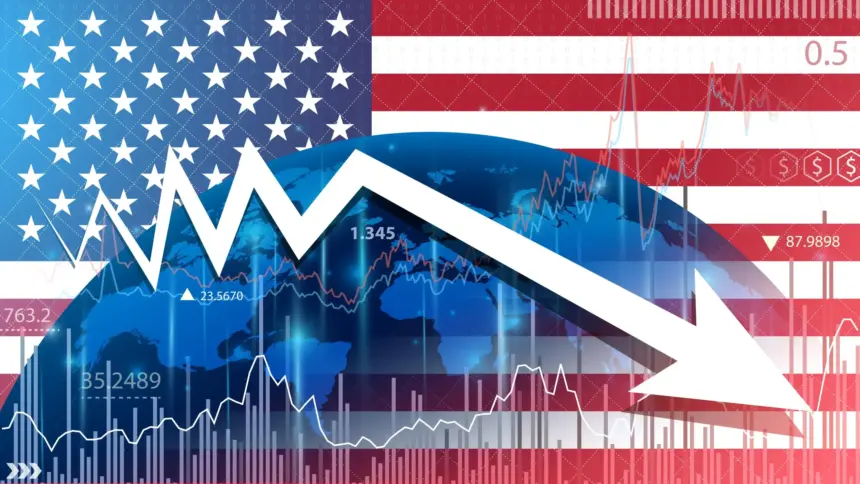
As the United States heads toward 2026, most economists agree on one key point: a recession is unlikely. Strong government spending and a surge in artificial intelligence investment are expected to maintain economic growth. However, whether the economy can achieve a true “soft landing” — slowing inflation without triggering a downturn — remains uncertain.
Forecasts suggest that economic growth will continue next year, though not evenly. Analysts attribute the impact of the “One Big, Beautiful Bill” Act and rising corporate investment in AI as major drivers of growth. At the same time, tariffs and tighter immigration policies are expected to act as headwinds, creating an uneven expansion.
Wells Fargo economists noted that the outlook has improved due to more supportive fiscal policy, easing monetary conditions, and a more stable trade environment compared to recent years. Still, inflation is expected to remain above the Federal Reserve’s 2% target for much of 2026, complicating the path toward a soft landing.

Growth Continues, But at a Slower Pace
A survey conducted by the Philadelphia Federal Reserve among 33 forecasters projects U.S. gross domestic product to grow by an average of 1.8% in 2026. Inflation, measured by the Personal Consumption Expenditures index, is expected to cool gradually, reaching an annual rate of about 2.6% by the fourth quarter of the year.
Other forecasts paint a more varied picture. JPMorgan expects growth to be stronger in the first half of 2026, at nearly 3%, driven by fiscal stimulus. That momentum is projected to slow later in the year, with GDP growth easing to between 1% and 2% as higher tariffs and lower immigration weigh on activity. Inflation, according to JPMorgan, could fall closer to the Fed’s target by the end of the year, bringing the economy closer to soft-landing conditions.
Labour Market and Inflation Pressures
A softening labour market may help cool inflation. Wells Fargo analysts argue that easing employment pressures, stable inflation expectations, and the possibility of some tariff relief could push price growth lower over time. Even so, inflation is unlikely to fully return to the Fed’s target quickly, keeping policymakers cautious.
Public Scepticism Remains
While economists largely expect the U.S. to avoid a recession, public sentiment is more divided. Prediction markets currently assign a probability of a recession by the end of 2026 of around 35%, reflecting lingering concerns about inflation, global trade, and policy uncertainty.
In short, 2026 is shaping up to be a year of continued growth, albeit with some risks. The economy appears poised to sidestep a downturn, yet persistent inflation and uneven momentum leave open the question of whether a true soft landing can be achieved.