
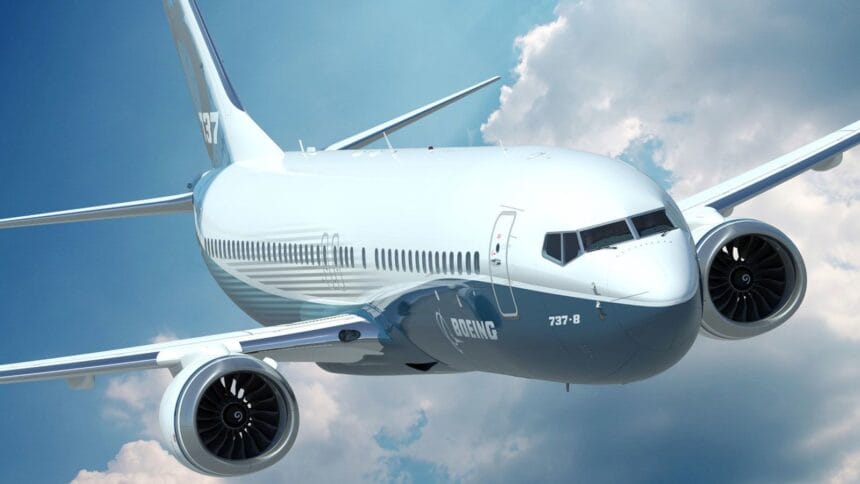
India is preparing to place aircraft orders worth up to $80 billion with Boeing, a move that underscores New Delhi’s intent to broaden its trade relationship with the United States, Commerce and Industry Minister Piyush Goyal said on Thursday.
According to the minister, India’s aviation sector has a substantial requirement for new aircraft, with orders for Boeing jets “ready to be placed.” He noted that once aircraft engines and spare parts are included, imports linked to aviation from the United States could cross $100 billion, reflecting the scale of India’s long-term fleet expansion plans.
The proposed purchases come at a sensitive time for Boeing. Families of passengers who lost their lives in the Air India plane crash in Ahmedabad in June last year have filed lawsuits against the US aircraft manufacturer, alleging that defective dual switches played a role in the accident. The crash claimed the lives of 241 of the 242 people on board, according to official statements.
Beyond aviation, Goyal said India could source at least $500 billion in goods from the United States over the next five years. He clarified, however, that this figure does not constitute a binding investment commitment under the trade arrangement currently under discussion with Washington.
Earlier this week, US President Donald Trump announced via social media that India and the United States had reached a trade agreement, shortly after New Delhi concluded a separate deal with the European Union. Trump claimed the agreement would see the US reduce tariffs on Indian goods to 18 per cent, while India would lower duties on American products, open sensitive sectors such as agriculture, shift oil imports away from Russia toward US and Venezuelan supplies, and purchase $500 billion worth of American goods.
The Indian Prime Minister welcomed the proposed reduction in US tariffs, noting that Indian exports had previously faced duties as high as 50 per cent. However, the government has not confirmed several other assertions made by the US President, including zero-duty access for American goods, changes to India’s oil import policy, or a firm commitment to the $500 billion purchase figure.
Economists and trade experts agree that India is likely to increase imports from the United States but have questioned whether the scale suggested by Washington is achievable, describing the $500 billion target as overly ambitious.
Official data show that India’s total goods imports stood at $720.24 billion in the 2025 financial year, with a trade deficit of $94.3 billion. Imports from the United States accounted for $45.3 billion of that total.
Deal timeline
Goyal said India and the United States are expected to issue a joint statement within the next three to four days, formalising the first phase of the trade agreement. The reduced tariff rate of 18 per cent on Indian exports to the US would take effect after the statement is released.
A detailed legal agreement is expected to be signed by mid-March, following which India’s tariff concessions on US goods would come into force.
Since the announcement of the deal, the government has faced criticism for the lack of clarity around its terms. Opposition leader Rahul Gandhi has accused the government of conceding ground on tariffs, alleging that India’s negotiating position has been weakened.
Analysts have also cautioned that some of the claims surrounding the agreement appear unrealistic and could risk future reversals, pointing to past instances where the US threatened higher tariffs on trading partners despite existing agreements.
As negotiations continue, the focus remains on whether the ambitious trade and procurement plans can be translated into binding commitments and implemented without disrupting India’s broader economic and strategic priorities.