

As policymakers at the U.S. Federal Reserve signal a growing openness to cutting interest rates again in 2026, many consumers are hoping for relief from years of elevated borrowing costs. However, a shift in Fed policy does not automatically translate into lower rates across all financial products.
The impact will vary widely depending on the type of loan or account, broader economic conditions, and individual credit profiles.
Credit Cards Likely to Respond First
Credit cards are among the financial products most closely linked to Federal Reserve decisions because their interest rates are tied to short-term benchmarks. If rate cuts materialise, annual percentage rates (APRs) on credit cards could edge lower, though declines may be modest.


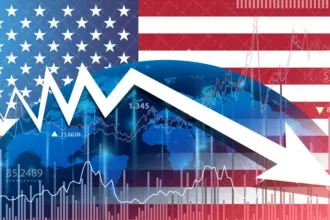
Despite expectations of easing, card APRs have remained stubbornly high, hovering above 20% throughout 2025—well above levels seen earlier in the decade. Lenders continue to price in risk, especially after years of inflation pressure and uneven consumer finances.
While delinquency trends have stabilized somewhat, banks remain cautious. Analysts suggest that meaningful reductions in credit card rates may depend as much on improving credit conditions as on the Fed’s action itself.
Auto Loans May Take Longer to Improve
Auto loan rates are influenced by a combination of factors, including loan length, down payments, and borrower creditworthiness. Even if the Fed cuts rates, relief for auto borrowers may arrive slowly. Vehicle prices surged during post-pandemic supply shortages, leaving many consumers with larger loans and higher monthly payments.
Recent data shows auto loan delinquencies creeping higher, reflecting ongoing strain in the sector. Economists note that auto lenders are particularly sensitive to employment trends and borrower risk, meaning rate reductions may lag behind broader monetary easing—possibly until later in 2026.
Savings and Deposit Rates Could Decline Quickly
While borrowers may welcome lower interest rates, savers are likely to feel the downside sooner. Banks typically adjust deposit rates quickly when policy rates fall, as doing so lowers their funding costs. High-yield savings accounts and certificates of deposit have already begun to retreat from their recent peaks.
Top one-year CD rates, for example, have slipped significantly from last year’s highs, and many savings accounts now offer returns below 4%. Further Fed cuts could accelerate this trend, reducing returns for savers even as borrowing costs gradually soften.
Mortgage Rates May Defy Expectations
For homebuyers and homeowners hoping to refinance, the outlook is less encouraging. Fixed-rate mortgages are influenced more by long-term bond yields than by short-term Fed policy. Even if the central bank lowers rates, mortgage rates could remain elevated—or potentially rise—depending on inflation expectations and economic growth over the next decade.
Adjustable-rate mortgages are more likely to reflect Fed cuts directly, but fixed 30-year loans remain tethered to Treasury yields that have resisted falling below key thresholds. Analysts caution that concerns about persistent inflation or future policy shifts could keep mortgage rates higher than many consumers expect.
Uneven Relief Ahead
Overall, anticipated rate cuts in 2026 could provide some relief, but the benefits will not be evenly distributed. Credit cards and savings products are likely to respond first, while auto loans and mortgages may take longer—or see limited improvement at all. For consumers, understanding these differences will be key to making informed decisions about borrowing, saving, and refinancing in the year ahead.
Sources:
- Board of Governors of the Federal Reserve System via Federal Reserve Economic Data. “Commercial Bank Interest Rate on Credit Card Plans, All Accounts.”
- Federal Reserve Bank of New York. “Household Debt Balances Grow Steadily; Mortgage Originations Tick Up in Third Quarter.”